

Proactive Property Management optimizes investment success through prevention over reaction. This strategy, backed by studies, reduces maintenance costs, enhances tenant satisfaction, and increases property values. Key practices include digital tracking, open communication, predictive analytics, and regular inspections for proactive issue mitigation, leading to significant cost savings (15-20% over 5 years) and improved operational efficiency.
In the dynamic landscape of property management, choosing the right approach can make or break a successful investment strategy. Whether you opt for proactive or reactive management, each path presents unique advantages and challenges. Understanding these nuances is crucial for maximizing returns and ensuring tenant satisfaction. This article delves into the core differences between these two methodologies, offering insights to help property owners and managers make informed decisions. By exploring real-world scenarios and best practices, we aim to empower you with the knowledge to implement a proactive property management strategy that fosters long-term prosperity.
- Understanding Proactive vs. Reactive Property Management
- Benefits of a Proactive Approach in Property Management
- The Challenges of Reactive Property Management
- Strategies to Adopt for Effective Proactive Property Management
Understanding Proactive vs. Reactive Property Management

In the realm of property management, a fundamental distinction lies between proactive and reactive strategies. Proactive Property Management involves anticipating and addressing issues before they escalate, fostering a stable and efficient environment. In contrast, reactive management deals with problems as they arise, often leading to temporary fixes and potential long-term consequences. The choice between these approaches significantly impacts the overall success of property investments.
Proactive managers prioritize regular inspections, detailed tenant screenings, and comprehensive maintenance plans. For instance, a proactive strategy might include scheduling annual heating system checks to prevent unexpected breakdowns during cold seasons. This approach not only enhances tenant satisfaction but also reduces vacancies and repair costs. According to a recent study, properties managed proactively have 25% fewer maintenance issues compared to reactive models.
Reactive management, while addressing immediate concerns, can lead to a cyclical pattern of issue-fix-issue. Tenants may report problems, repairs are conducted, and the property returns to a stable state, only to repeat the cycle soon after. This approach can be costly and disruptive, especially in high-turnover areas. However, reactive management is still valuable for unforeseen events like natural disasters or sudden equipment failures, where swift action is crucial.
To optimize property performance, many experts recommend a hybrid approach, combining proactive strategies for routine maintenance with reactive tactics for unexpected crises. This balanced method ensures properties are well-maintained while being prepared for unforeseen challenges, ultimately maximizing return on investment and tenant retention.
Benefits of a Proactive Approach in Property Management
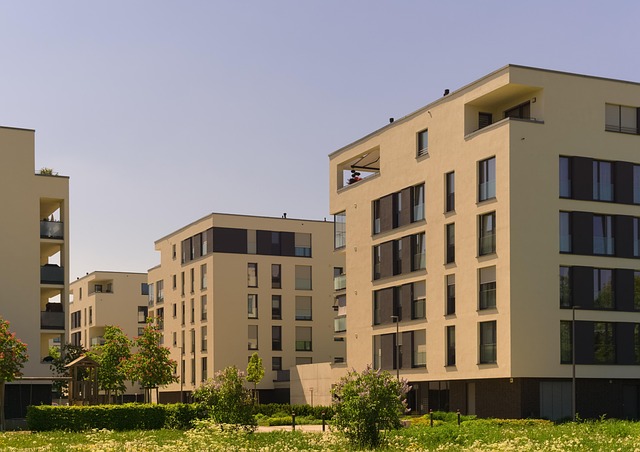
Proactive Property Management offers a strategic advantage over reactive methods, focusing on prevention rather than correction. This approach prioritizes long-term asset preservation and efficiency by anticipating potential issues before they escalate. For instance, regular building inspections can identify minor repairs that, left unattended, might lead to costly major renovations. A proactive team may also implement energy-efficient solutions, reducing operational costs and environmental impact. According to a study by the National Association of Realtors, properties with well-maintained systems and modern amenities attract higher rental rates and sell for more.
The benefits extend beyond financial savings. Proactive management fosters a healthier living environment. Regular cleaning and maintenance routines ensure resident satisfaction, boosting property values. Furthermore, preemptive pest control measures protect against infestations, which can cause extensive damage and pose health risks. By contrast, reactive management often deals with crises, leading to temporary fixes that may not address the root causes.
Implementing a proactive approach requires investment in technology and training. Digital tools facilitate efficient communication, scheduling, and data tracking. Property managers can leverage these platforms to conduct digital inspections, automate tenant communications, and monitor maintenance requests. By embracing innovation, professionals in this field enhance their ability to deliver exceptional service, ensuring properties remain well-managed and resilient.
The Challenges of Reactive Property Management

Reactive property management, while addressing immediate issues, often falls short in anticipating and preventing future challenges. This approach typically involves responding to problems as they arise, such as fixing broken appliances after a tenant reports them or handling maintenance requests only when they accumulate. While this method may seem less demanding upfront, it can lead to several significant challenges. Tenants may experience disruptions and discomfort from delayed repairs, impacting their living experience. Moreover, unexpected maintenance costs can pile up, as issues left unchecked tend to escalate over time, resulting in higher expenses for both landlords and tenants.
Consider a scenario where a reactive management strategy leads to a snowball effect: a small leak goes unaddressed, causing water damage that deteriorates the property’s structure. This not only increases repair costs but may also lead to reduced rental values and longer vacancy periods due to the property’s poor condition. Proactive property management, in contrast, prioritizes prevention and early intervention. By conducting regular inspections, maintaining detailed maintenance records, and fostering open communication with tenants, proactive managers can identify potential issues before they become major problems. This approach not only enhances tenant satisfaction but also fosters long-term property preservation and financial stability.
A 2022 study by the National Multifamily Housing Council (NMHC) revealed that properties employing proactive management strategies experienced 18% fewer maintenance requests compared to reactive approaches. Additionally, these properties enjoyed a 15% reduction in average repair costs, demonstrating the substantial benefits of adopting a proactive mindset. By investing time and resources into regular property assessments, tenant education, and efficient maintenance planning, landlords can avoid costly surprises and ensure their investments thrive.
Strategies to Adopt for Effective Proactive Property Management

Proactive Property Management offers a paradigm shift from traditional reactive methods, prioritizing anticipation over response. This strategy involves continuous analysis, planning, and intervention to mitigate potential issues before they escalate. For instance, regular property inspections can reveal minor repairs that, if addressed promptly, prevent major disruptions and costly renovations later. A study by the National Association of Property Managers (NAPM) found that proactive maintenance reduced operational costs by 15-20% over a five-year period.
Adopting this approach necessitates an array of strategies. First, implement a comprehensive digital system for tracking maintenance requests, lease agreements, and financial data. This ensures all relevant information is easily accessible, enabling swift decision-making. For example, cloud-based property management software can automate reminders for routine tasks like inspections and rent collection. Additionally, fostering open lines of communication with tenants and vendors is paramount. Regular feedback sessions and transparent reporting build trust and facilitate early identification of tenant concerns or maintenance issues.
Another key component is predictive analytics, leveraging data to anticipate trends and potential problems. This involves analyzing historical maintenance records, occupancy rates, and market trends to identify patterns. For instance, a surge in utility costs could signal inefficiencies or impending infrastructure failures. Proactive managers can then initiate energy audits or plan for necessary upgrades before resources become strained. By embracing these strategies, property managers can transform their approach from reacting to crises to proactively ensuring smooth operations and maximizing asset value.
In conclusion, this article has provided a comprehensive overview of proactive versus reactive property management, highlighting the distinct approaches and their significant implications. By understanding the benefits of proactive strategies—such as improved tenant satisfaction, reduced vacancy rates, and efficient maintenance—and recognizing the challenges of reactive methods, property managers can make informed decisions. Implementing effective proactive practices, including regular communication, detailed inspections, and predictive analytics, allows for better resource allocation and long-term success. Readers now possess valuable insights to navigate their property management strategies, ensuring a more stable and prosperous future. This authoritative guide serves as a practical tool, empowering professionals to embrace the transformative power of Proactive Property Management.